The Power of AI in Education - Reshaping How We Learn
Feb 18, 2026
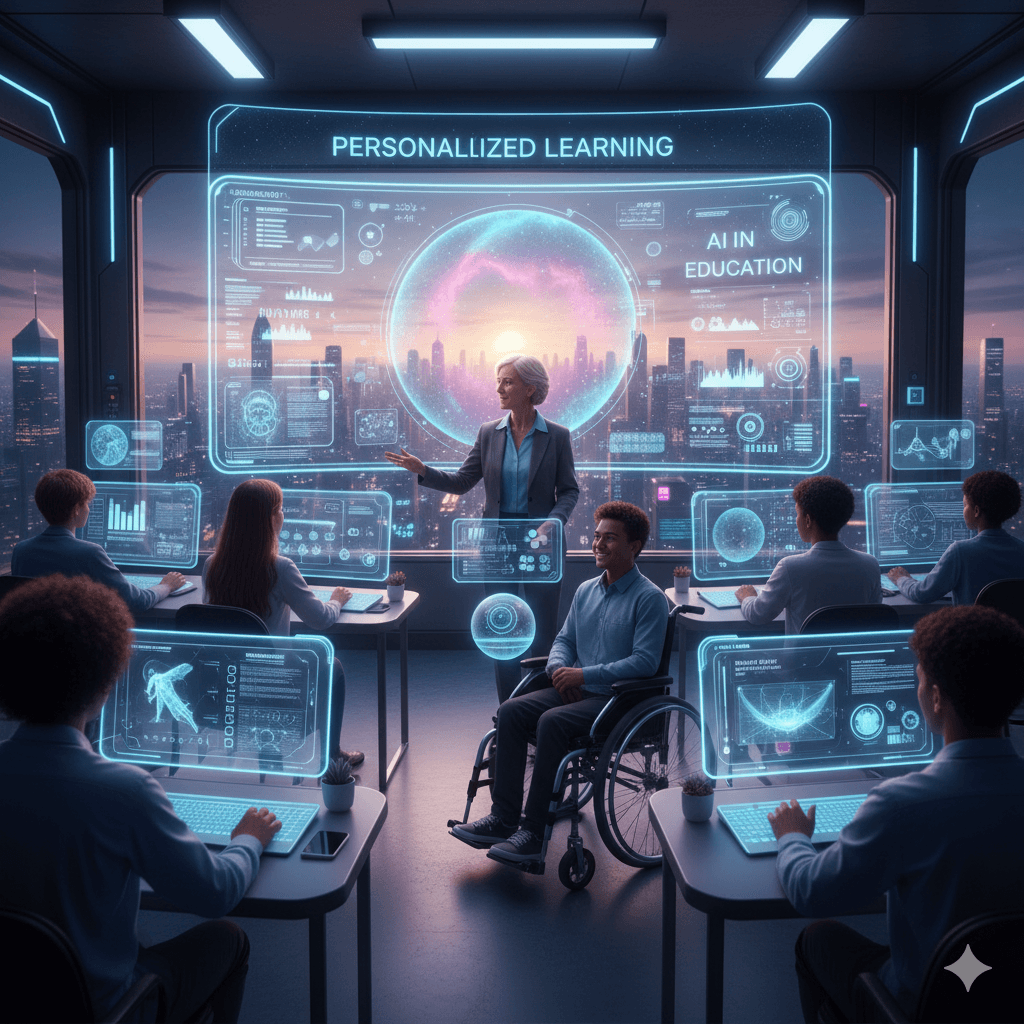
Greetings, lifelong learners! Today, let's explore a field ripe for transformation by Artificial Intelligence: education. AI isn't just about optimizing processes; it's about personalizing the learning journey, making education more accessible, and empowering both students and educators in unprecedented ways.
One of the most exciting applications of AI in education is personalized learning. Gone are the days of a rigid, one-size-fits-all curriculum. AI-powered platforms can assess a student's strengths, weaknesses, learning pace, and preferred learning style. Based on this data, the AI can then tailor content, recommend specific exercises, or provide additional resources, ensuring each student gets the support they need to succeed. This means a student struggling with algebra might receive extra practice problems, while another excelling in history could be offered advanced supplementary materials.
AI also plays a crucial role in intelligent tutoring systems. These systems can act as virtual tutors, providing instant feedback on assignments, answering questions, and guiding students through complex concepts. This 24/7 availability can bridge gaps, especially for students who might not have access to one-on-one human tutoring.
For educators, AI can be a powerful assistant. It can automate administrative tasks like grading multiple-choice quizzes, tracking student progress, and even identifying students who might be falling behind. This frees up valuable time for teachers to focus on what they do best: direct instruction, mentorship, and fostering critical thinking and creativity in the classroom.
How AI is Transforming Education:
Adaptive Learning Paths: Tailoring content and pace to individual student needs.
Automated Grading & Feedback: Streamlining administrative tasks for teachers.
Content Creation & Curation: Generating customized learning materials and recommending relevant resources.
Accessibility Enhancements: Providing tools for students with disabilities, like real-time captioning or text-to-speech.
While AI promises immense benefits, it's vital to remember that technology is a tool. The human element – the passion of a teacher, the curiosity of a student, and the rich social interaction of a classroom – remains at the heart of meaningful education. AI's role is to enhance, support, and expand these fundamental experiences, not replace them.
How do you envision AI changing the classroom of the future? Share your thoughts below!
Keep learning, Your AI Expert